
Who Are You Trying to Reach?
Not “everyone who might buy”.
The customers you most want to attract, what matters to them and what they need to see before they take the next step.
A better-looking website isn’t necessarily a better-performing website.
WebDesign Boost is for health, aesthetics and wellness businesses that need their website to explain their value clearly, build trust and turn more of the right visitors into enquiries and customers.
We start with the customer, the offer and the job the website needs to do. Then we design around it.
Not sure your website is actually the problem? Get your free Revenue Leak Score.
Our team has worked with




These logos represent our team’s experience, not Danzy Design and Marketing. The website, UX and UI design work shown has been commissioned both through agencies and directly by the brands themselves. When a project calls for it, we bring in the right specialist expertise so you get that calibre of digital design.
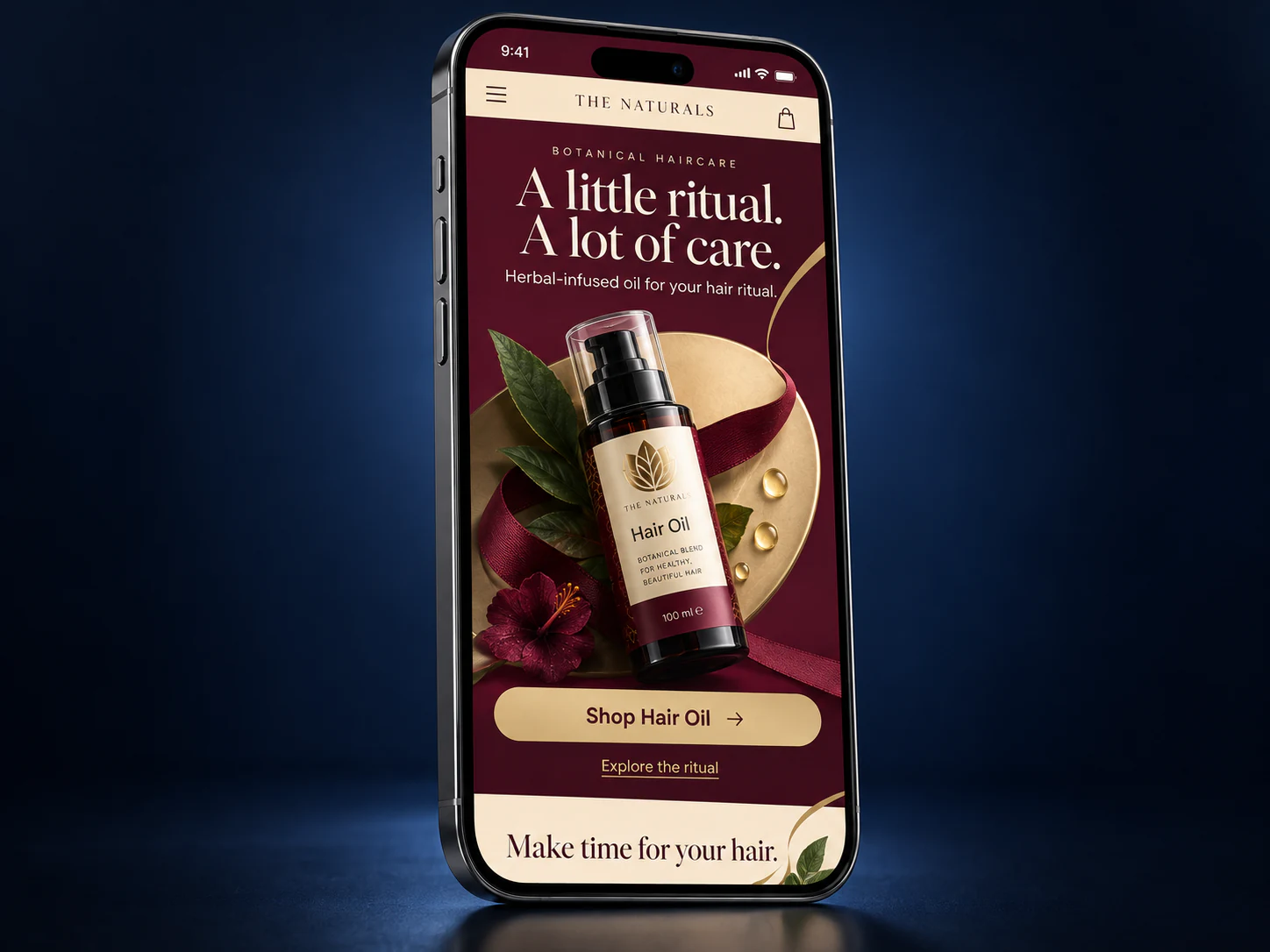
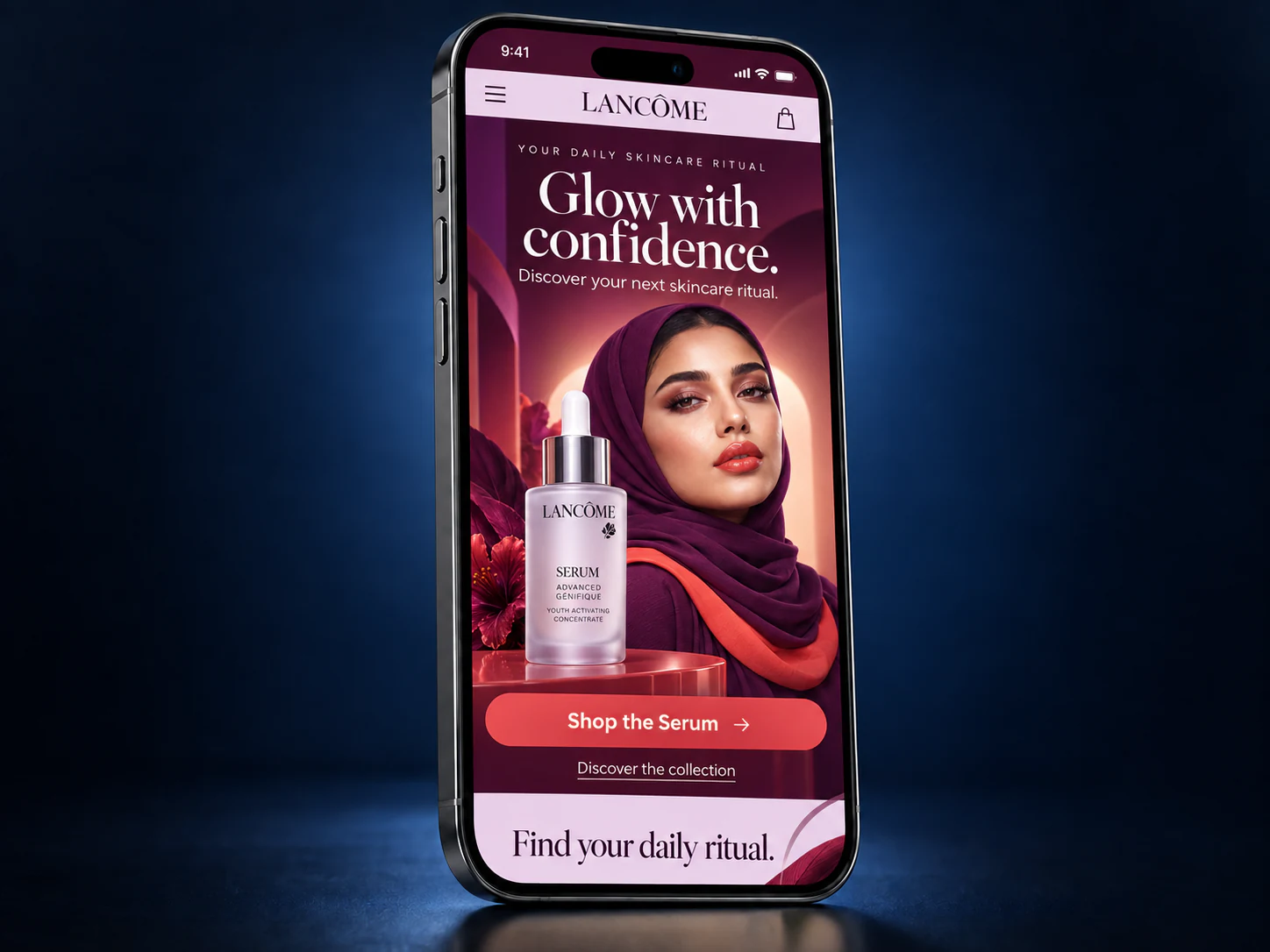
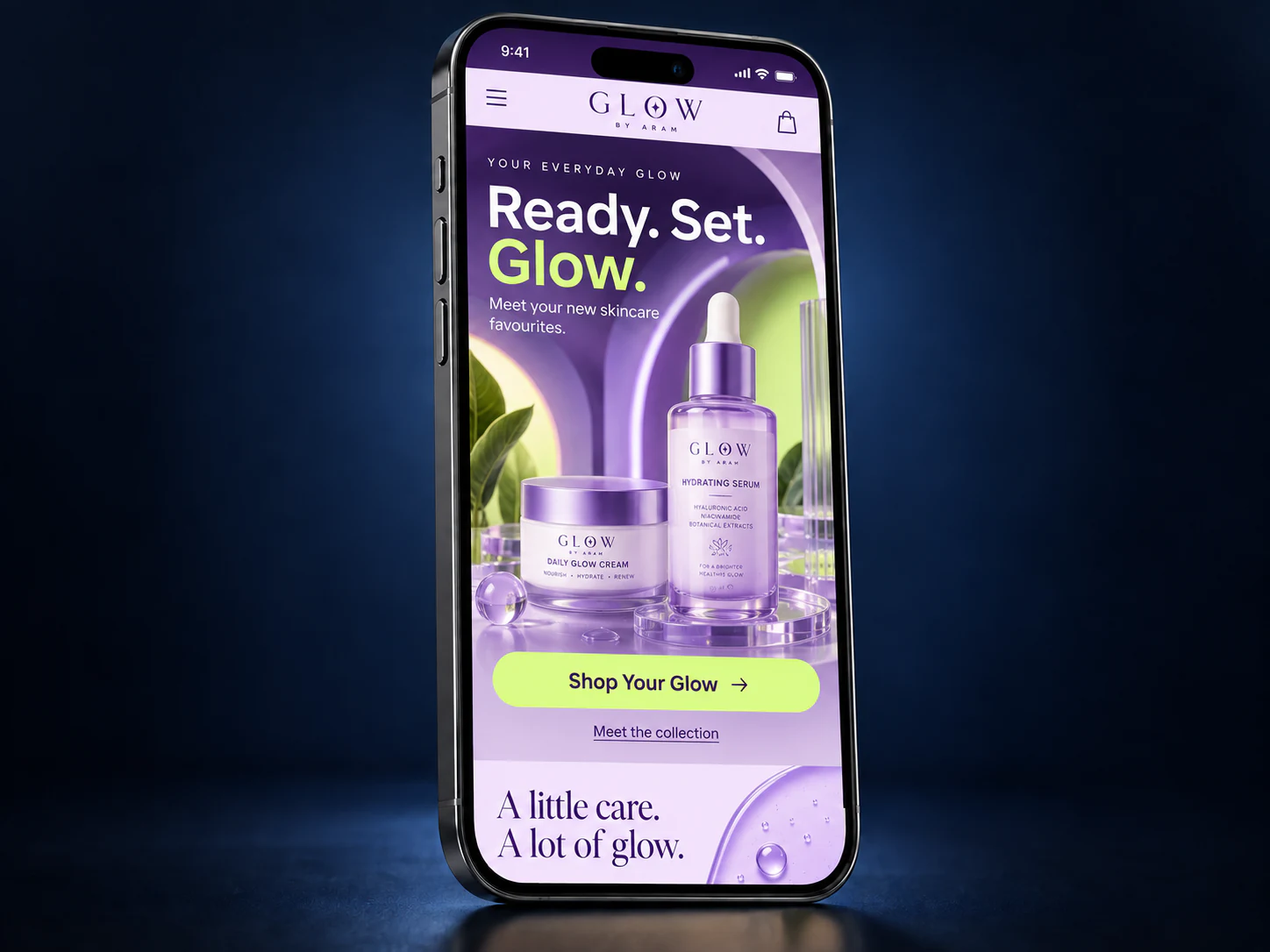
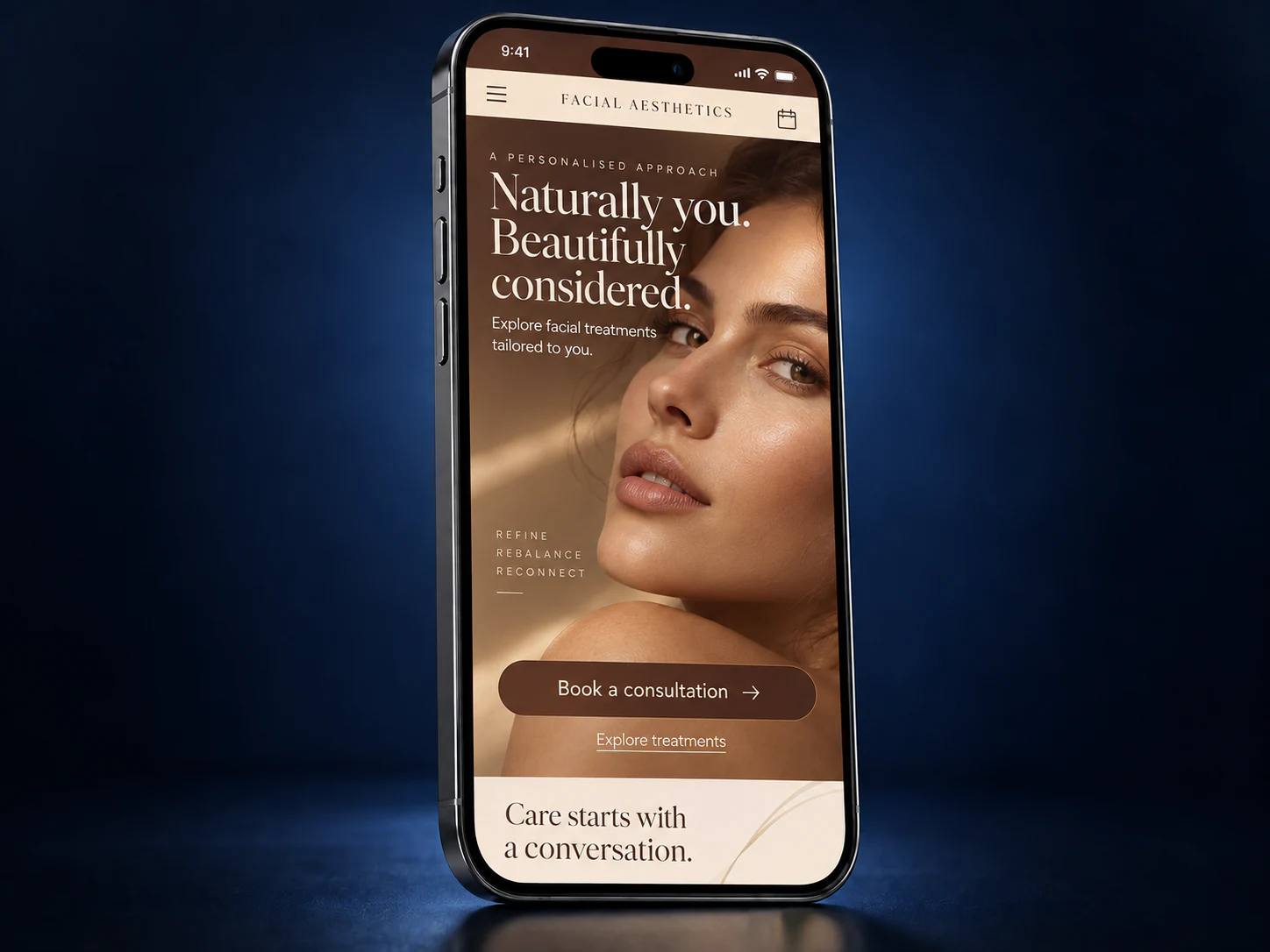
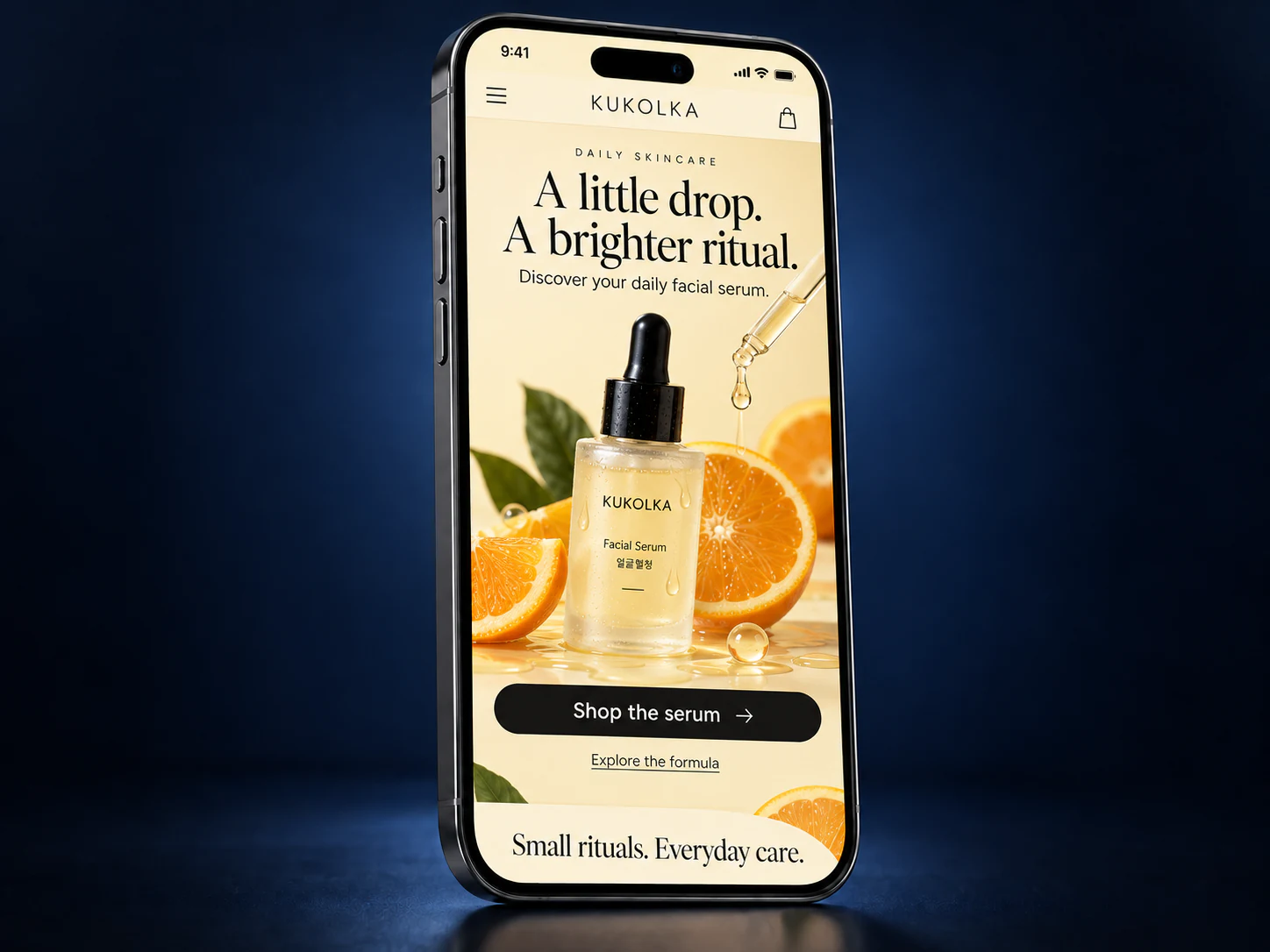
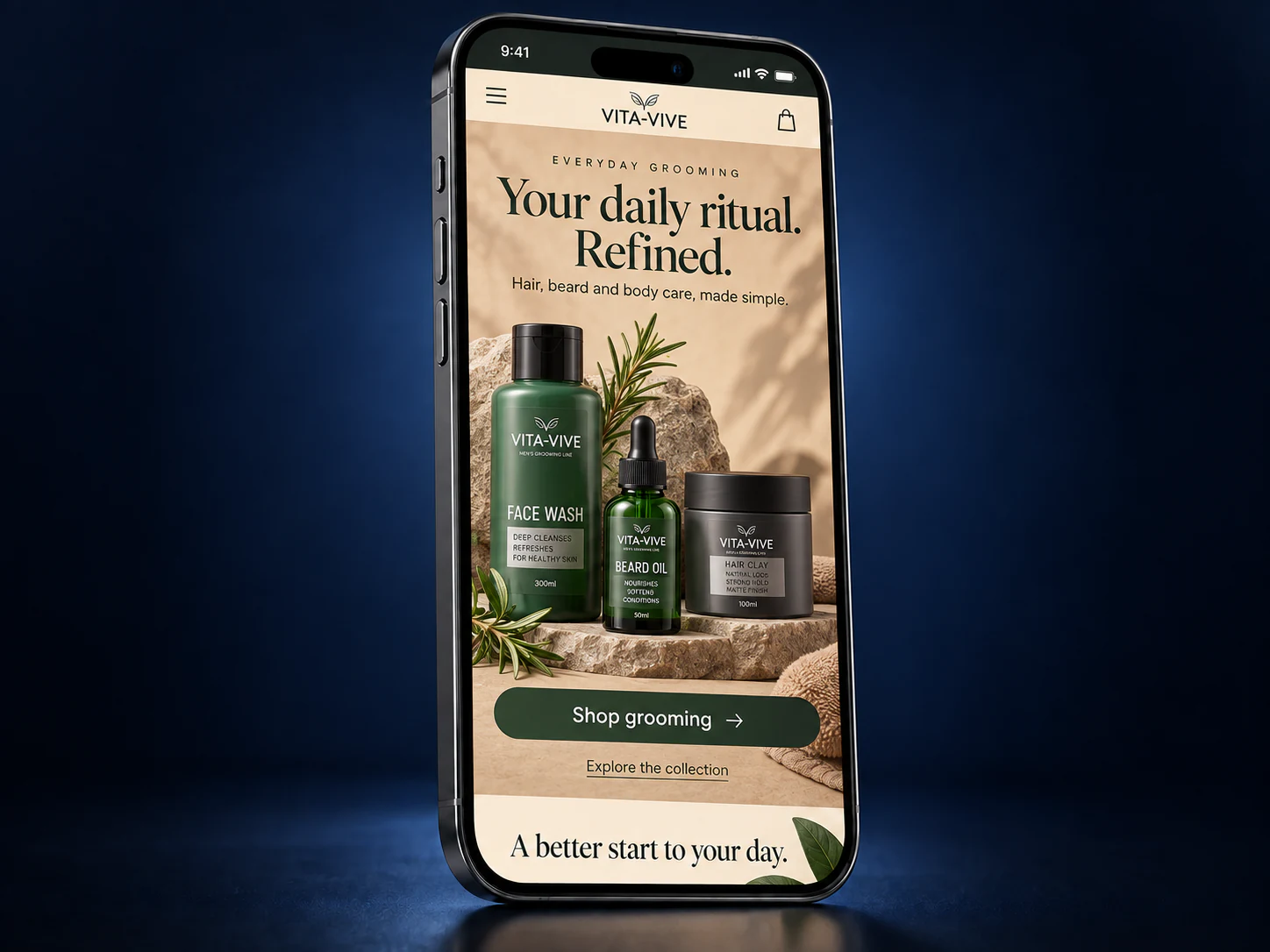
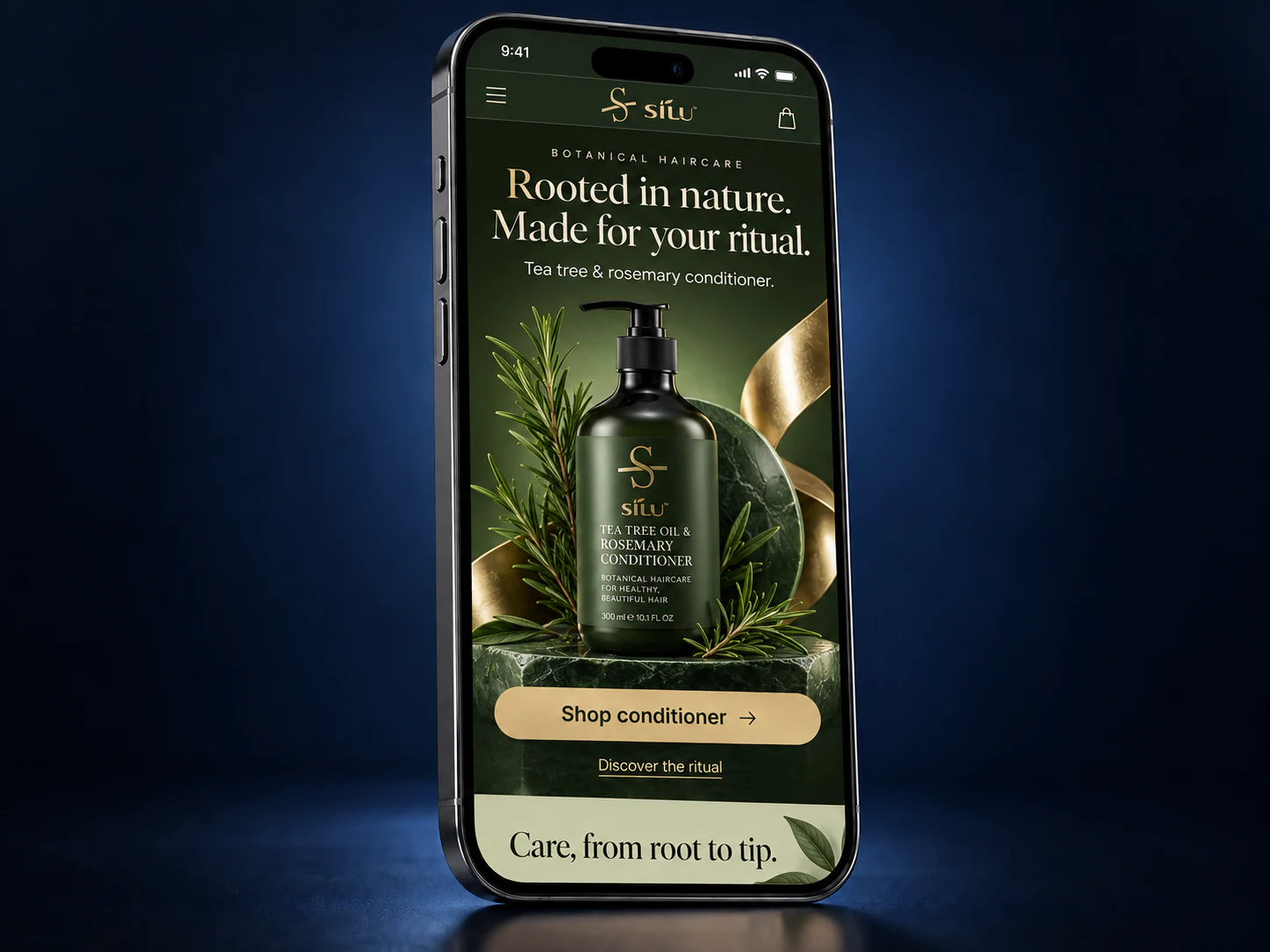
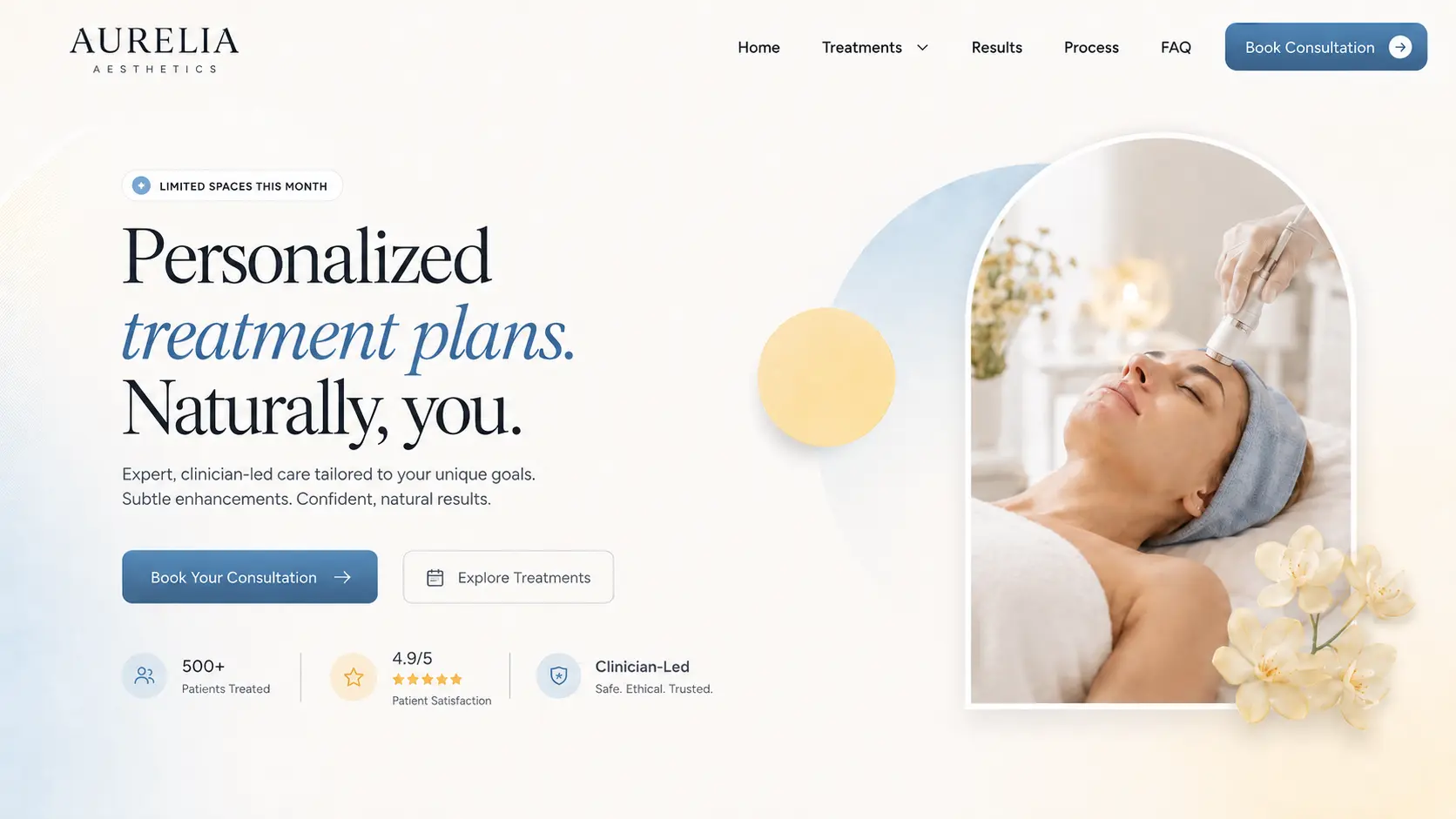
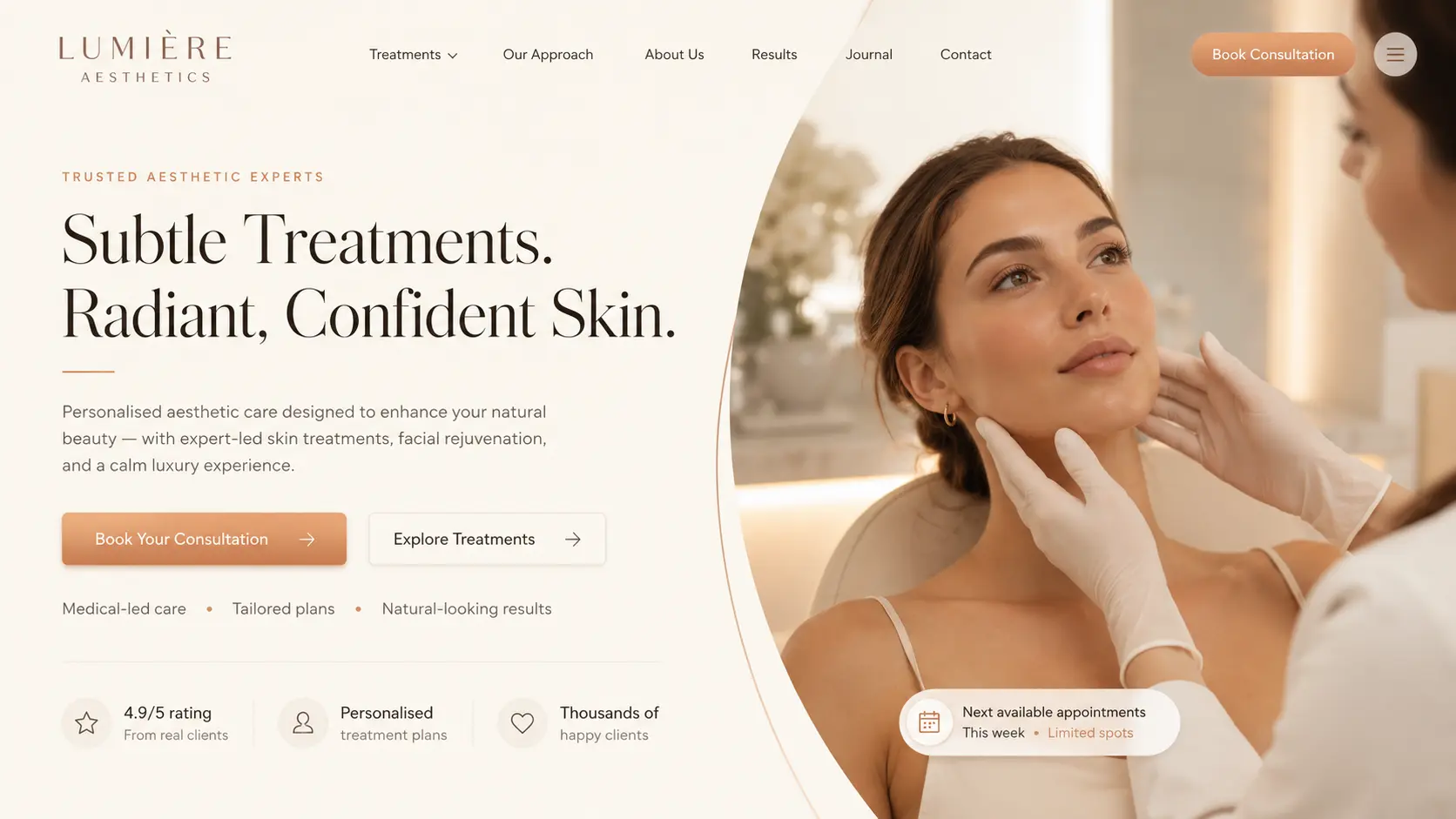
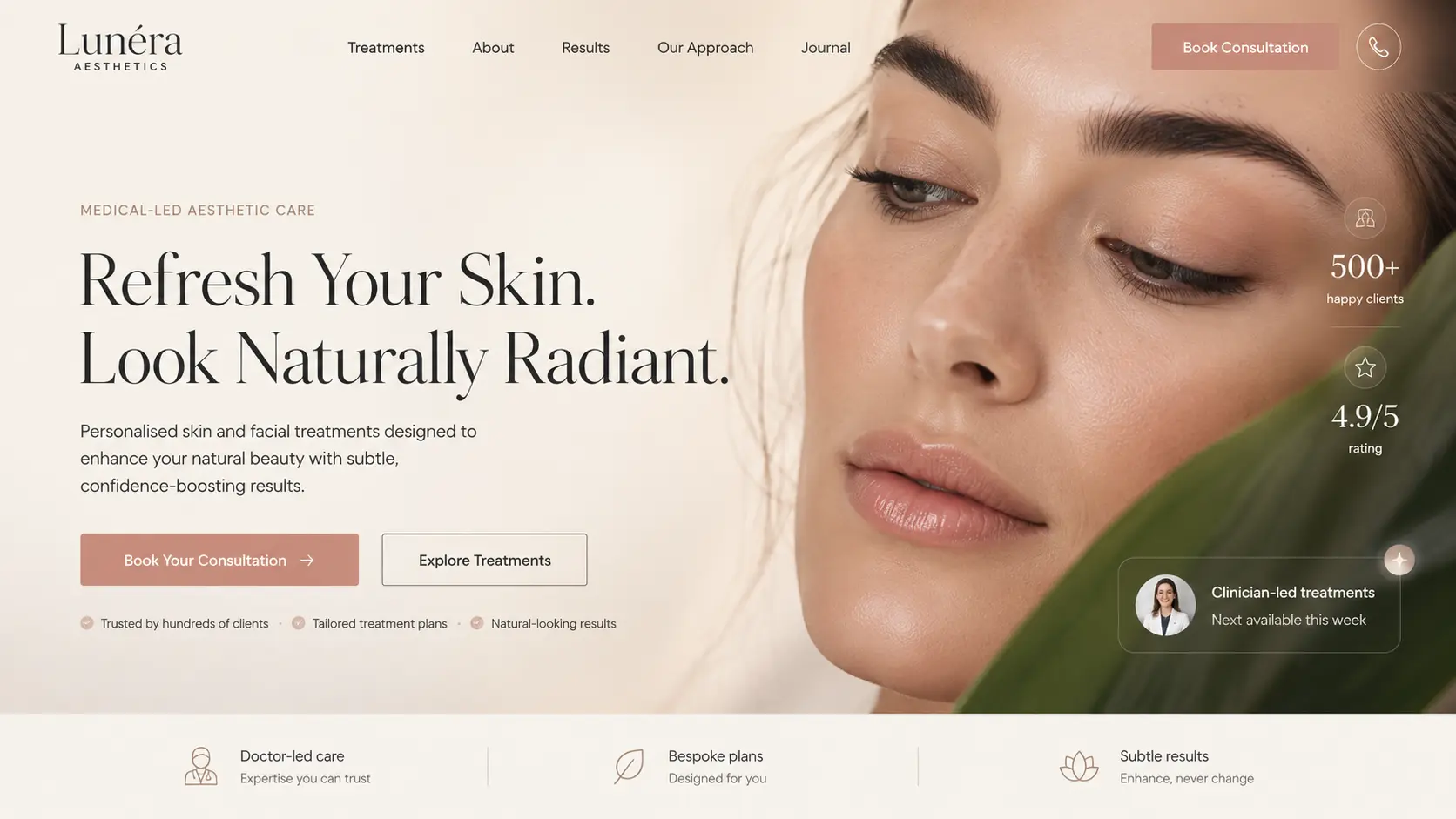
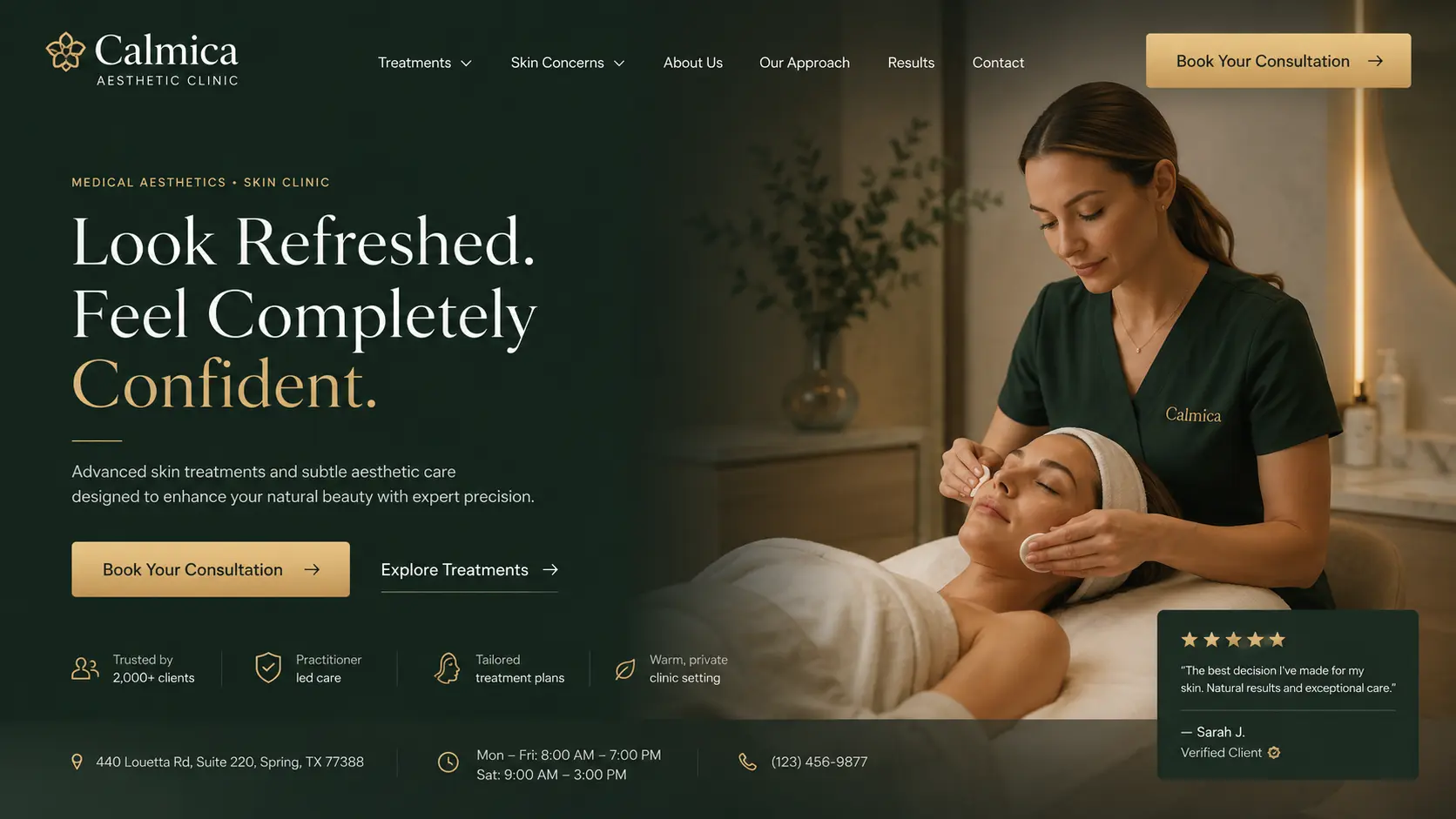
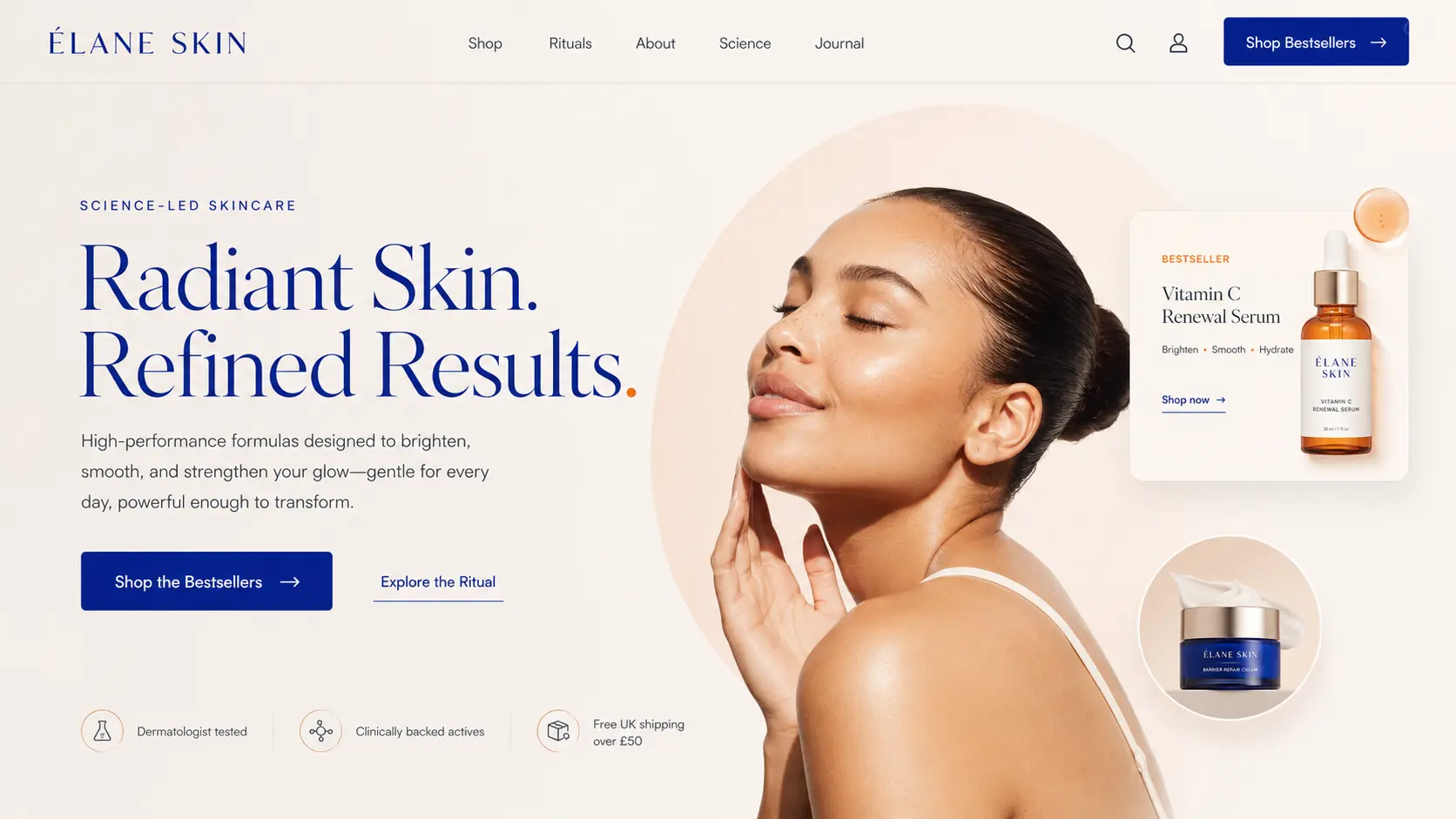
Selected website concepts
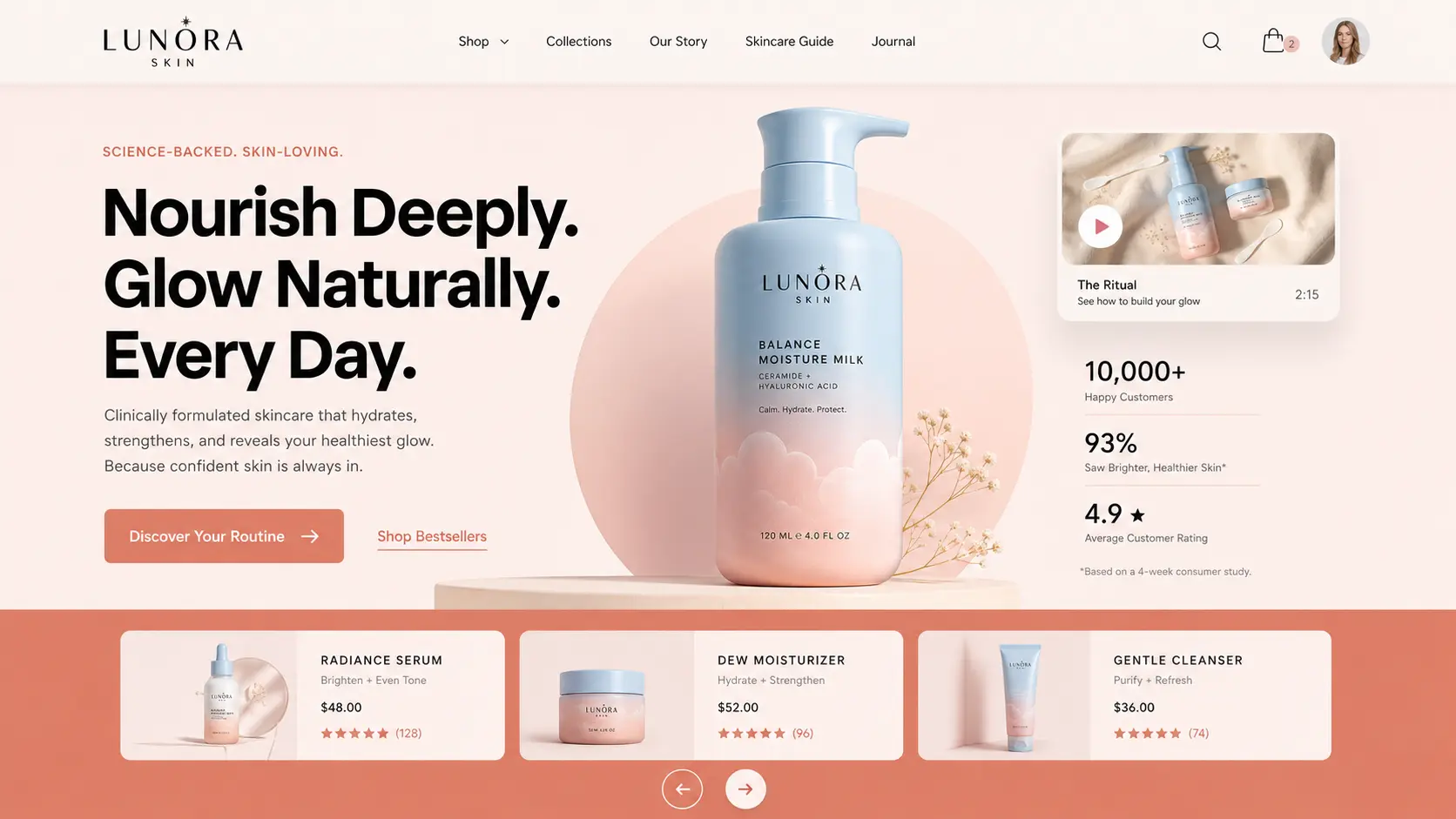
01 / 09Lunora Skin — skincare hero section concept
Someone lands on your website.
Within seconds, they’re trying to work out:
Am I in the right place?
Do they understand what I need?
Why should I choose them?
Can I trust them?
What should I do next?
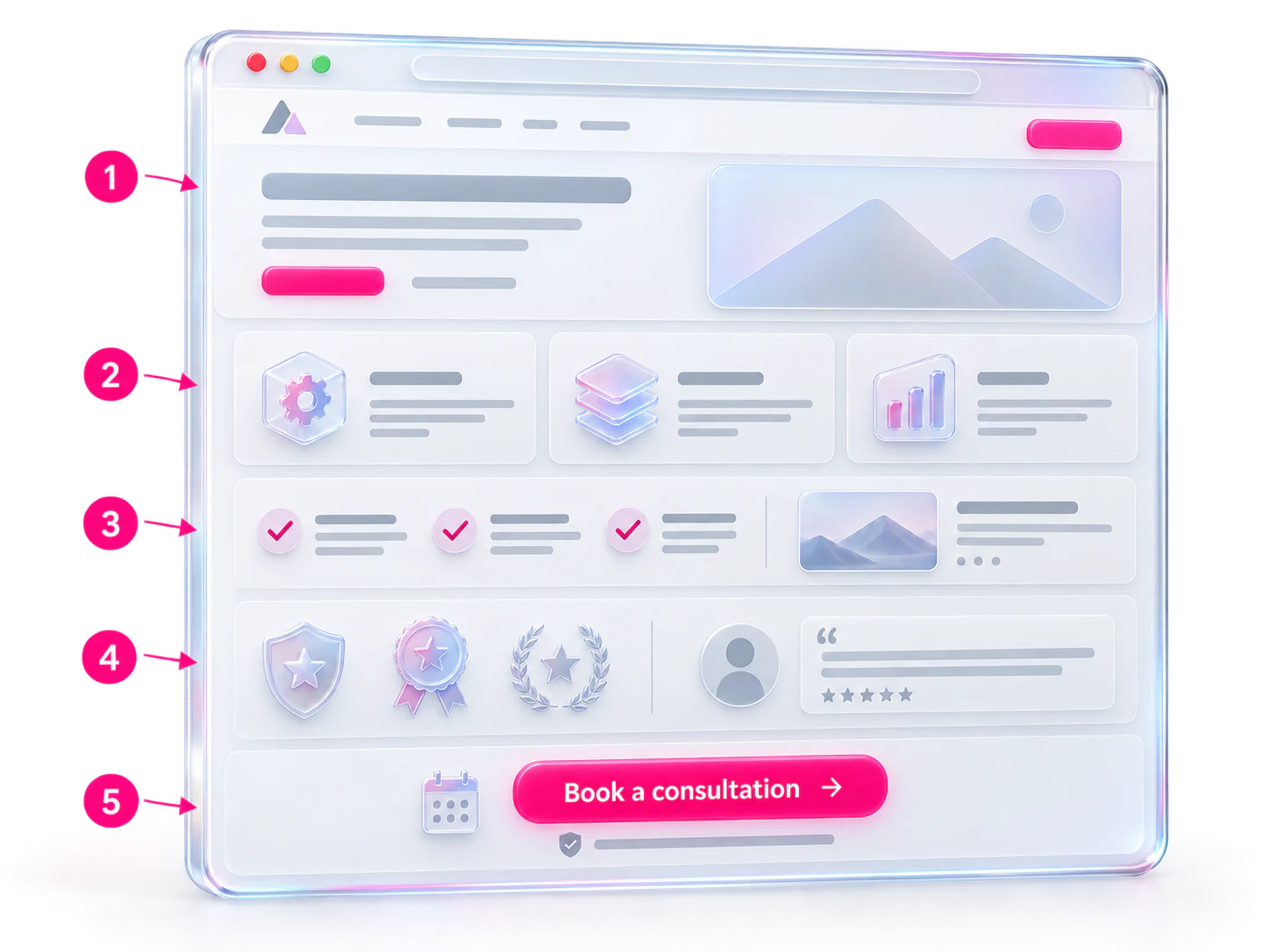
If those answers aren’t clear, better colours and prettier layouts won’t solve the underlying problem.
That’s why WebDesign Boost doesn’t start with design.
Your customer might discover you on Instagram.
Search for you on Google.
Visit your website.
Read your reviews.
Leave.
See an advert later.
Come back.
Read about a treatment or service.
Make an enquiry.
Speak to your team.
Then decide whether to buy.
Your website can influence several of those moments.
But it cannot fix everything that happens before or after them.
You could have a brilliant website while enquiries are being handled poorly.
You could improve conversion while attracting the wrong traffic.
You could generate more enquiries while weak follow-up loses them afterwards.
That’s why GrowthBoost doesn’t automatically prescribe a new website simply because an existing one could be improved.
Most websites have things that could be improved.
That doesn't mean you should rebuild them.
If your existing website is fundamentally sound, changing everything could waste money and destroy things that are already working.
So before recommending a redesign, we look at what the website is actually doing.
Is the problem:
Sometimes the answer is a new website.
Sometimes it’s a smaller conversion improvement.
And sometimes the website isn’t the priority at all.
A website can only communicate the strategy underneath it.
Before we start designing, we establish three fundamentals.
Not “everyone who might buy”.
The customers you most want to attract, what matters to them and what they need to see before they take the next step.
Your value proposition needs to make the difference clear.
Not another generic:
“We provide high-quality, personalised care.”
Something meaningful enough to help a potential customer understand why your business is right for them.
A beautiful website cannot rescue an unclear or unconvincing offer.
We look at how your services are packaged, explained and presented so visitors understand what they’re choosing and why it matters.
Once the foundations are clear, we design the experience around what your customer needs to do next.
That means thinking about more than individual pages.
Can somebody understand what you do, who it’s for and why they should care without having to work it out?
Can people find what they need and move naturally towards enquiring, booking or buying?
Does the copy answer the questions and objections that could stop someone taking the next step?
Are reviews, results, qualifications, practitioners and other credibility signals appearing where people actually need reassurance?
Is there a clear next step, and have we removed unnecessary friction around taking it?
Does the experience work properly for the customer holding their phone, rather than just looking good on a designer’s monitor?
Does the website load and function well enough that technical problems aren’t getting between the visitor and the next action?
The objective isn't to cram “conversion tactics” onto every page.
We use established usability, conversion and customer-behaviour principles to inform our work.
But we don't pretend an industry statistic can tell us exactly what your customers will do.
Research gives us useful principles.
Your customers, offer, traffic and business give us the context.
And where something genuinely needs testing, we treat it as something to test rather than pretending we already know the answer.
That distinction matters.
Because your website shouldn't be built around design trends.
The exact scope depends on the project, but can include:
Not every project needs everything on that list.
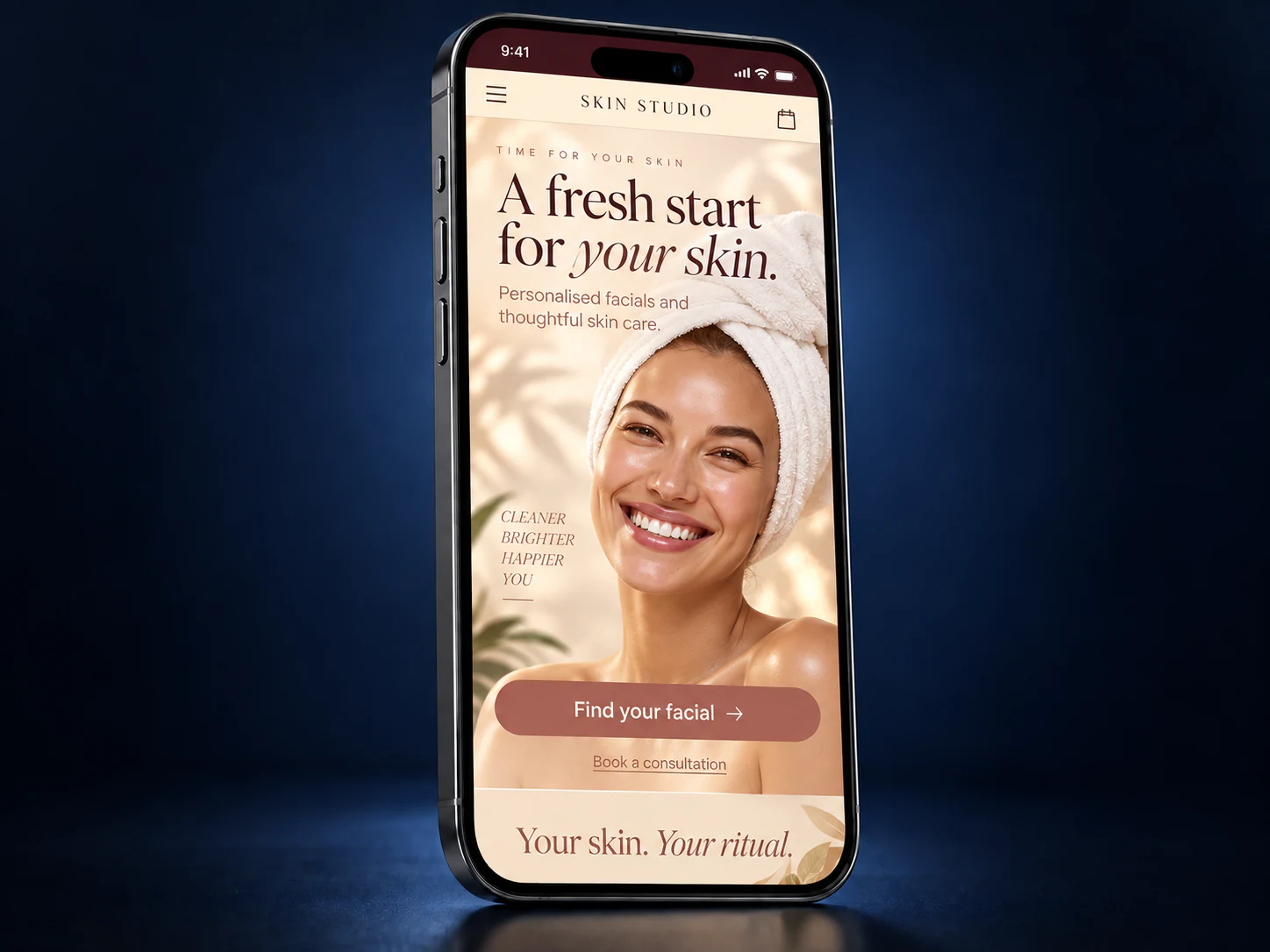
* Independent design concepts created by us — not commissioned by or affiliated with the featured brands.
Strong design matters.
Particularly in health, aesthetics and wellness, where potential customers are making judgements about professionalism, quality, safety and trust before they ever speak to you.
But visual design should support the message.
It should make the important things easier to notice.
Help the customer understand.
Create confidence.
And make the next step feel natural.
Depending on the agreed scope, your project can include:
The audience, positioning, offer, customer journey and commercial role of the website established before design begins.
Clear, customer-focused copy built around what people need to understand before taking action.
A logical page structure and customer journey designed around the actions that matter.
A visual system created around your brand and positioning rather than a generic template.
Responsive implementation across desktop, tablet and mobile.
Relevant calls to action, enquiry paths, analytics and measurement built into the experience.
Testing, launch support and a clear handover once the site is ready.
We're not interested in convincing every business that it needs a new website.
Web design is one possible solution within GrowthBoost.
Sometimes it is exactly what the evidence calls for.
Sometimes the existing website needs targeted improvement rather than replacement.
And sometimes the real problem is somewhere else entirely.
That's why we start with the problem.
Then determine what role the website should play in solving it.
If your website is clearly outdated, no longer represents the business, cannot support what you need it to do, or you've already established that it is restricting growth, let's talk about the project.
Don't commission a new one just because somebody can find things they'd change.
The free Revenue Leak Score gives you a quick first view of where customers and revenue may be slipping through your business, across the wider customer journey.
If the warning signs point towards the website or enquiry experience, you'll have a better reason to investigate it further.
If they point somewhere else, that's useful too.
12 questions. Around 3 minutes. See your result instantly.